Mastering cake pop recipes is a rite of passage for any serious home baker. There is something undeniably magical about a perfectly spherical treat that combines the nostalgic flavor of moist vanilla cake with the satisfying snap of a glossy candy shell. Whether you are aiming for that iconic coffee-shop aesthetic or preparing for a celebration, achieving a professional result requires more than just crumbling a cake; it requires culinary precision.
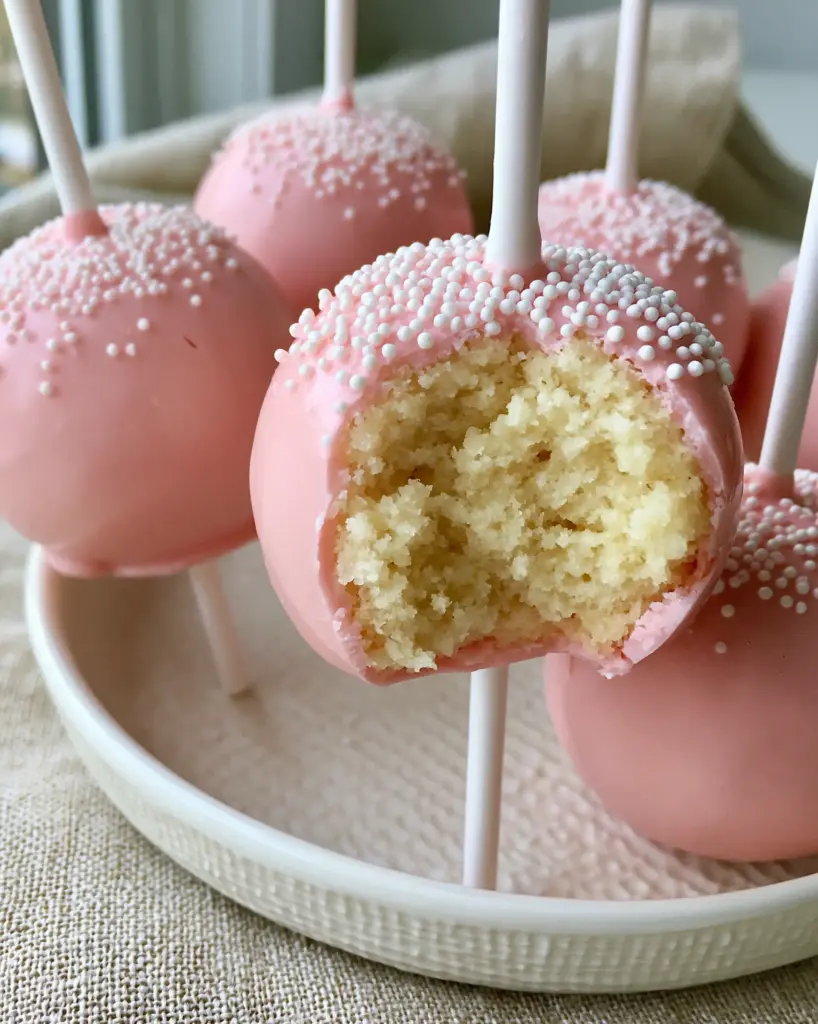
In this comprehensive guide, we are diving deep into the forensic details of the perfect pink cake pop. We are focusing on a dense, pale-yellow vanilla interior that melts in your mouth, encased in a vibrant, crack-free pink coating. This isn’t just a recipe; it’s a technical masterclass in confectionery structural integrity and visual appeal.
From the precise ratio of frosting to crumb to the exact temperature needed for a flawless dip, we have analyzed every variable. By the end of this article, you will be producing bakery-quality treats that look like they jumped straight out of a professional food shoot, complete with those signature tiny white nonpareil sprinkles.
Why These Are the Best Cake Pop Recipes You Will Ever Try
- Perfect Structural Integrity: We use a specific dense vanilla cake base designed to hold its shape on a stick without crumbling or falling off.
- Glossy, Crack-Free Finish: Our method for melting candy coating ensures a professional, high-shine shell that doesn’t spider-web as it sets.
- Balanced Flavor Profile: By utilizing a slight tang in the binder, we cut through the sweetness of the pink candy shell for a more sophisticated palate.
- Forensic Visual Accuracy: Every step is designed to replicate the clean bite and vibrant pastel aesthetic of a premium artisanal dessert.
Essential Components for The Ultimate Vanilla Interior
To achieve the pale-yellow, moist crumb described in our visual blueprint, we must select ingredients that prioritize texture and color. Standard boxed mixes often lack the density required for a stable cake pop, so we are building this from the ground up.
Cake Flour: 2.5 cups (300g). Unlike all-purpose flour, cake flour has a lower protein content, which results in a finer, more tender crumb that mimics a professional bakery texture.
Unsalted Butter: 1 cup (225g), softened. Butter provides the foundational fat for a rich mouthfeel and contributes to that beautiful pale-yellow hue in the final crumb.
Granulated Sugar: 1.5 cups (300g). Sugar does more than sweeten; it aerates the butter during the creaming process, creating the microscopic air pockets needed for a light yet dense interior.
Large Egg Yolks: 4 yolks (approx. 72g). Using only yolks instead of whole eggs enhances the yellow color of the cake and increases the fat content for ultimate moisture.
Whole Milk: 1 cup (240ml). The fat in whole milk ensures the cake doesn’t dry out during the baking process, keeping the “play-doh” consistency of the dough pliable.
Pure Vanilla Bean Paste: 2 tsp (10ml). Using paste instead of extract gives you those gorgeous tiny black flecks and a much deeper, more authentic vanilla aroma.
Cream Cheese: 4 oz (115g), room temperature. This is our secret binder. Unlike straight frosting, cream cheese adds stability and a subtle tang that balances the sugar.
Pink Candy Melts: 16 oz (450g). High-quality candy wafers provide the “perfectly smooth, glossy, thin pastel pink candy coating” required for the outer shell.
Vegetable Shortening or Paramount Crystals: 1 tbsp (15g). Adding a small amount of fat to the melted candy helps achieve that thin, pourable consistency that prevents cracks.
White Nonpareil Sprinkles: 2 tbsp (30g). These tiny sugar pearls add the necessary texture and visual contrast to the top of each pop.
Professional Tools for Confectionery Success
Achieving the look of professional cake pop recipes requires more than just your hands. You will need a few specific items to ensure the “clean bite” and “smooth shell” described in our visual prompt.
First, a stand mixer equipped with a paddle attachment is vital for properly creaming the butter and later incorporating the binder into the crumbs without over-mixing. A small cookie scoop (approx. 1 tablespoon capacity) ensures every cake pop is identical in size, which is critical for even chilling and dipping.
You will also need white lollipop sticks (6-inch/15cm length) and a styrofoam block or cake pop stand. If you lay the wet pops down on a flat surface, you will get a flat side, ruining the perfect sphere. Finally, a deep, narrow microwave-safe silicone cup is the best vessel for dipping, as it allows for full submersion without using excessive amounts of coating.
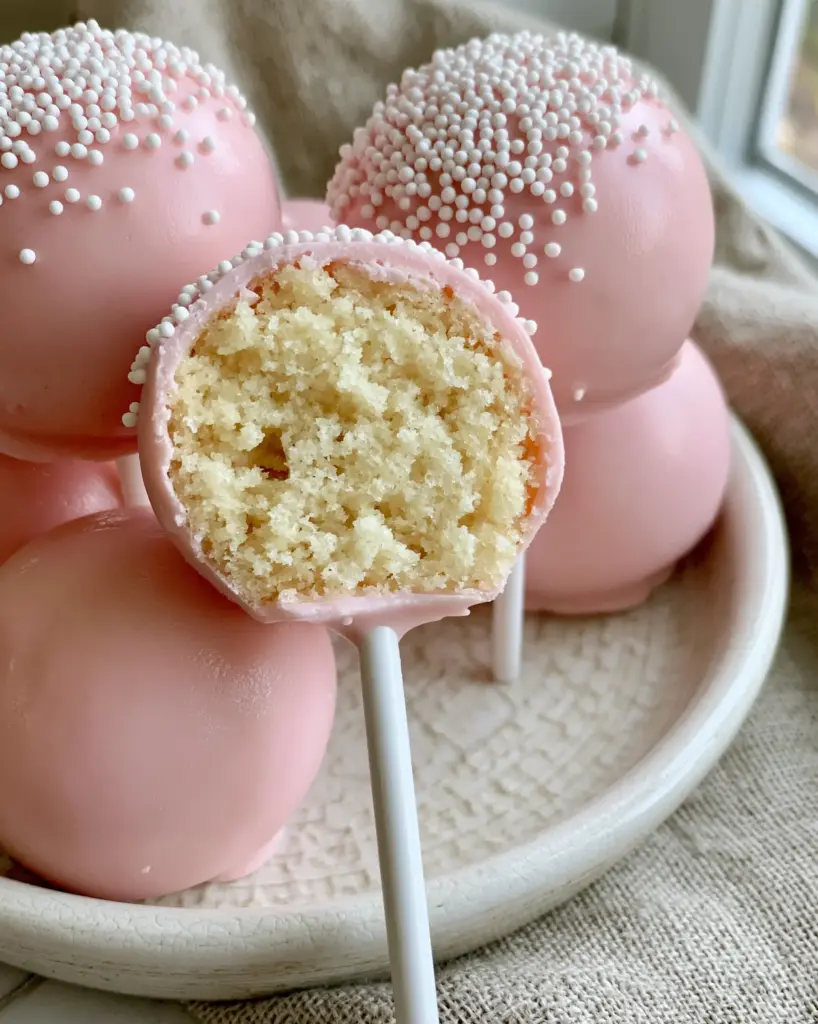
The Step-by-Step Blueprint for Pink Vanilla Perfection
Phase 1: Crafting the Dense Vanilla Foundation
Start by preheating your oven to 350°F (175°C). In your stand mixer, cream the softened butter and granulated sugar for at least 5 minutes until the mixture is pale and fluffy. This step is crucial for the “tender” crumb mentioned in our prompt.
Add the egg yolks one at a time, followed by the vanilla bean paste. In a separate bowl, whisk your cake flour, 1.5 tsp (6g) baking powder, and 0.5 tsp (3g) salt. Alternate adding the dry ingredients and the milk to the butter mixture, starting and ending with the flour.
Pour the batter into a greased 9×13 inch pan and bake for 25-30 minutes. You are looking for a visual cue: the edges should just start to pull away from the pan, and a toothpick should come out clean. Let the cake cool completely. A warm cake will melt the binder and result in a greasy interior.
Phase 2: Achieving the “Play-Doh” Consistency
Once the cake is cool, remove any browned edges with a serrated knife. You only want the pale-yellow interior for these cake pop recipes. Crumble the cake into a large bowl until no large chunks remain.
Add the room-temperature cream cheese. Switch your mixer to the paddle attachment and mix on low speed. You are looking for a specific sensory cue: the mixture should hold together when squeezed, similar to the texture of damp sand or modeling clay. If it’s too crumbly, add a teaspoon of milk. If it’s too sticky, you’ve added too much binder.
Scoop the dough and roll into 1.25-inch (3cm) balls. Roll them between your palms until they are perfectly smooth spheres. Place them on a parchment-lined tray and refrigerate for at least 2 hours. Do not freeze them; the extreme temperature difference between a frozen cake ball and hot candy coating is what causes shells to crack.
Phase 3: The Art of the Perfect Glossy Dip
Melt your pink candy wafers in the microwave in 30-second bursts, stirring vigorously in between. Once melted, stir in the shortening or paramount crystals until the coating flows off the spoon like warm honey. This ensures the “thin pastel pink candy coating” mentioned in our blueprint.
Take a white lollipop stick, dip the tip (about 0.5 inch) into the pink coating, and insert it halfway into a chilled cake ball. This acts as “glue.” Let it set for 2 minutes before the full dip. If you are looking for more variety in your treats, you might consider trying birthday cake pops for your next event.
Submerge the cake ball vertically into the coating until it reaches the stick. Pull it straight up and gently tap your wrist—not the stick—to remove excess coating. While the coating is still wet, lightly dust the top with white nonpareils. Place the stick into your stand to dry completely.
Expert Tips for Bakery-Quality Results
- Control the Temperature: The coating should be warm (around 90°F/32°C), but the cake balls should be chilled. If the coating is too hot, it will melt the cake ball; if the cake ball is too cold, the coating will contract and crack.
- Avoid the “Oily Leak”: If your cake pops develop beads of moisture, it’s likely due to over-mixing the binder or a sudden temperature change. Always let the cake pops sit at room temperature for 10 minutes after taking them out of the fridge before dipping.
- The Tap Technique: Never shake the cake pop to remove excess coating. Gentle, consistent taps on your wrist will ensure a “perfectly smooth, glossy” finish without air bubbles.
- Silicone is King: Use a silicone bowl for melting. It retains heat better than glass or plastic, giving you a longer working window for your cake pop recipes.
Creative Pairings and Serving Suggestions
These pink vanilla cake pops are a showstopper on their own, but they also pair beautifully with other dessert table staples. For a themed party, you could serve them alongside strawberry rhubarb pie to lean into those pink, summery hues.
If you are looking for a contrasting texture, consider a batch of rice krispie treats or even some peanut butter brownies to provide a salty-sweet balance. For a drink pairing, a refreshing dragon fruit lemonade matches the aesthetic perfectly and provides a tart counterpoint to the vanilla sugar profile.
Proper Storage for Lasting Freshness
To maintain the “dense, moist, and tender” interior, storage is key. Once the shells are fully hardened, store the cake pops in an airtight container in the refrigerator for up to 5 days. If you need to stack them, place a sheet of parchment paper between layers to prevent the glossy shells from scuffing.
For long-term storage, you can freeze the undipped cake balls for up to 3 months. When you are ready to finish them, thaw them in the refrigerator overnight before proceeding with the dipping process. Never freeze the finished, dipped pops, as the condensation will ruin the sugar nonpareils and dull the gloss of the pink coating.
Frequently Asked Questions About Cake Pops
Yes, but boxed mixes are often lighter and fluffier. To achieve the dense ‘Starbucks-style’ crumb, use less liquid than the box calls for or add an extra egg yolk to increase the structural density of the crumb.
Adding a small amount of vegetable shortening or paramount crystals to your melted candy wafers is the key. This thins the consistency without compromising the setting ability, allowing the excess to drip off easily for a smooth finish.
Dipped cake pops will stay fresh and moist for up to 5 days when stored in an airtight container in the refrigerator. The candy shell acts as a seal, keeping the cake interior from drying out.
Cracking is usually caused by a temperature extreme. If the cake balls are frozen or too cold when dipped into warm candy coating, the shell will expand and contract, causing cracks. Ensure they are only refrigerated, not frozen, before dipping.
This happens if the cake ball is too heavy, the binder ratio is off, or the stick wasn’t ‘glued’ in. Always dip the stick in candy coating before inserting it into the ball, and ensure your cake-to-frosting ratio creates a firm dough.
The Ultimate Pink Vanilla Cake Pop Recipe
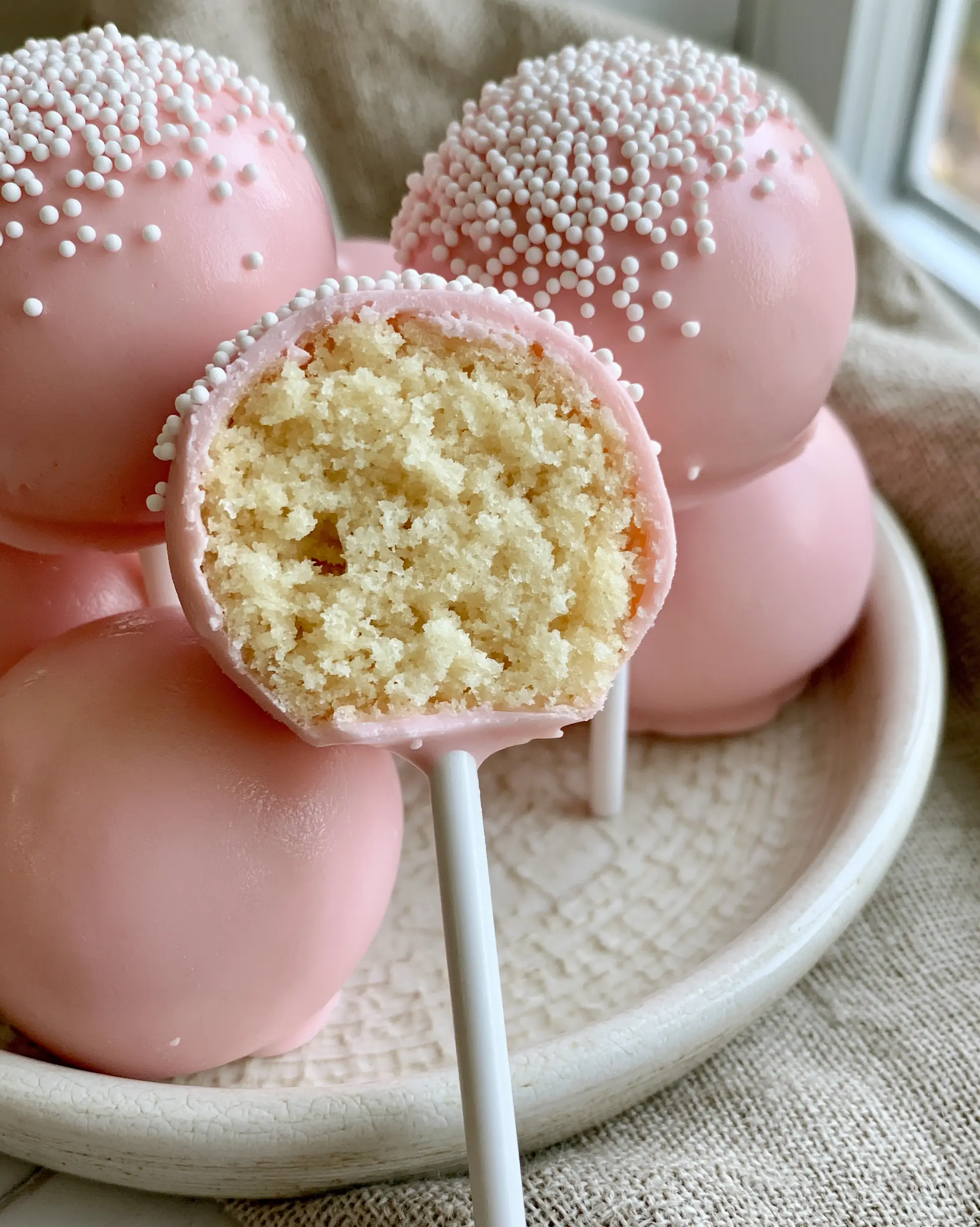
Cake Pop Recipes: The Ultimate Guide to Perfect Pink Vanilla Treats
Ingredients
Equipment
Method
- Cream softened butter and sugar in a stand mixer for 5 minutes until pale and fluffy. Add yolks and vanilla bean paste.
- Alternate adding dry ingredients and milk. Bake at 350°F (175°C) for 25-30 minutes until a toothpick comes out clean.
- Crumble the cooled cake. Mix with cream cheese using a paddle attachment until a dough-like consistency forms.
- Roll into 1.25-inch spheres and refrigerate for 2 hours. Do not freeze.
- Melt pink candy wafers with shortening until smooth and glossy.
- Dip stick into coating, insert into ball. Submerge the entire ball, tap off excess, and top with white nonpareils.
Notes
If the coating is too thick, add a teaspoon more shortening.
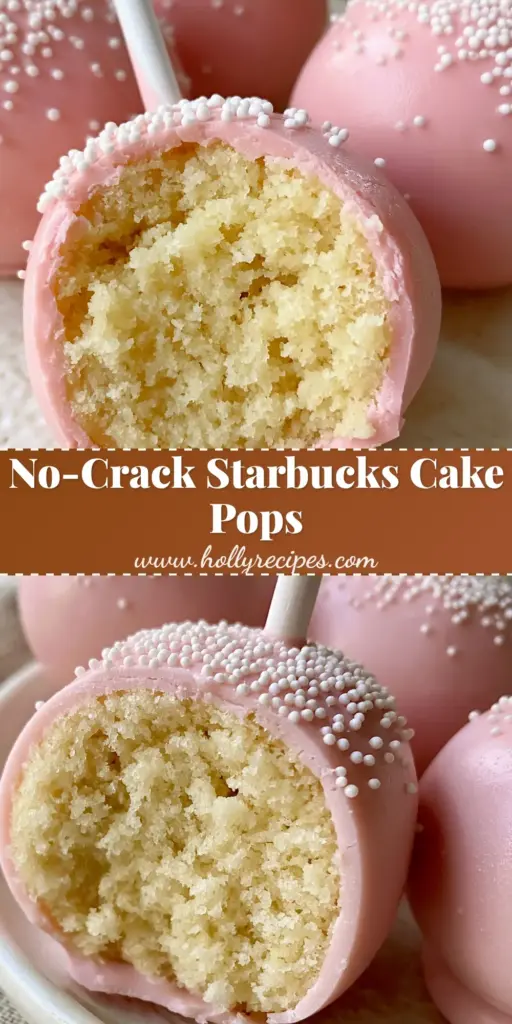
Closing & Call to Action
Mastering these cake pop recipes allows you to bring a touch of professional confectionery art into your own kitchen. The combination of a rich vanilla interior and that signature pink shell is a timeless classic that never fails to impress. Whether you are following our visual blueprint exactly or experimenting with new flavors like various cake pop flavors, the techniques remain the same.
Did your cake pops turn out with that perfect glossy finish? We want to see your creations! Leave a comment below with your success stories or tag us in your photos. Don’t forget to follow holly_recipes on Pinterest for more visual recipe inspiration and share this post with your fellow home bakers!